Quick answer
Quick answer: how to think about 1967 Mustang engines
- Engine choice matters less than whether the car can cool, stop, charge, steer, and run reliably.
- Small-block driver builds are usually easier to service and budget than chasing maximum horsepower.
- Use specs to verify a story, then price the car based on condition and documentation.
Last reviewed: June 23, 2026. Use this as a starting point, then verify the specific car, part, or claim before spending money.
Pick the engine path after the rest of the car makes sense
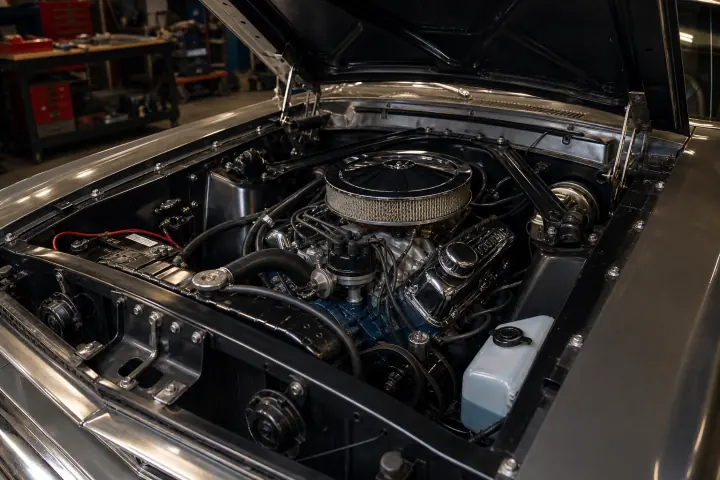
The 1967 Mustang engine lineup runs from the 200 inline-six to small-block V8 cars and 390 FE big-block examples. The right path depends less on the badge and more on the shell, cooling system, brakes, wiring, documentation, and how the car will actually be used.
| Engine | Character | Best fit | Buyer notes |
|---|---|---|---|
| 200 inline-six | Simple, lighter, usually cheaper to keep running | Driver use when condition matters more than power | Check cooling, carb tuning, brakes, and whether upgrades were done cleanly. |
| 289 V8 | Common small-block driver baseline | Traditional driver builds | Parts support is broad, but workmanship still decides whether the car is easy to live with. |
| 390 FE V8 | Big-block torque with more heat and proof pressure | Documented performance builds | Pay a premium only when cooling, originality, and documentation support the claim. |
What to inspect before horsepower
Most cars benefit more from ignition, cooling, brakes, tires, suspension, and fuel-delivery work than they do from extra power. That order usually makes the car safer and easier to enjoy. A strong engine in a weak, hot-running, poorly stopped car is not a smart build.
How to choose the right engine path
For a first 1967 Mustang, the right engine is often the one that matches the car’s condition and the owner’s real use. A tidy 200 six can be a better weekend driver than a tired V8 swap with overheating problems. A 289 small-block is a practical path for many buyers because parts support is broad, service knowledge is common, and the car stays easier to sort than a big-block project.
The 390 FE belongs in a different decision bucket. It can add performance and collector interest, but it also puts more pressure on cooling, brakes, front suspension, and documentation. If a seller claims a factory big-block car, verify the VIN, door tag, engine details, and supporting paperwork before paying a premium.
Spec checks that actually matter
- Originality: matching claims should be backed by tags, casting details, build history, and receipts.
- Cooling: look for stable temperature, clean coolant, proper fan setup, and no signs of pressure loss.
- Drivability: cold start, hot restart, idle quality, throttle response, and charging behavior matter more than advertised horsepower.
- Supporting systems: brakes, steering, suspension, fuel lines, and wiring should match the engine’s power level.
Restoration and upgrade planning
If the car already runs well, document what is there before replacing parts. Photograph casting numbers, carburetor tags, brackets, ignition layout, and wiring changes. That record helps when ordering parts and protects the value story if the car has original components. For modified cars, prioritize a clean baseline: compression test, leak checks, tune-up parts, charging system, fuel delivery, and brake inspection before cosmetic engine dress-up.
Common engine-buying mistakes
- Treating every V8 swap as a value increase without inspecting workmanship.
- Ignoring cooling problems because the car sounds good at idle.
- Buying performance parts before confirming compression, charging, fuel delivery, and brakes.
- Overpaying for big-block claims without documentation.
About this site / how we recommend
How recommendations are handled here.
Guides are written for careful buyers and owners who want practical risk checks before style, story, or hype.
Fitment clarity, project phase, documentation, support, and enthusiast usefulness come before commissions or brand familiarity.
Approved outbound vendor/resource links may be affiliate links. Candidate vendor links remain non-monetized until approved affiliate programs are documented. Recommendations should still be useful without a purchase.
Specs, values, and vendor details change. Send the page URL and a source so the guidance can be corrected.
Specs in context
Do not chase horsepower before the car can cool, stop, and charge.
The best engine path depends on the condition of the shell, brakes, cooling, wiring, and intended use.
High-intent checklist
Check engine claims before you pay
Compare engine-code claims, drivability, documentation, and restoration cost before you price the car.
Editorial review
How we check this page
These pages are reviewed to stay useful, specific, skeptical, and buyer-protective. If something is not documented, the site should not present it as firsthand fact, and it should not read like sales copy.
67Mustang.com
June 23, 2026
This page is reviewed for practical 1967 Mustang usefulness: rust risk, documentation, fitment clarity, value context, and whether the advice still helps without a purchase.
Source and verification notes
- Factory-style specifications, VIN/body-code context, and shop-manual style service references.
- Recent collector-car listings, sold-result context, and condition-adjusted market checks.
- Vendor fitment catalogs, owner/community notes, and reader corrections when they improve a recommendation.
Send corrections or better sources through the contact/corrections page.


