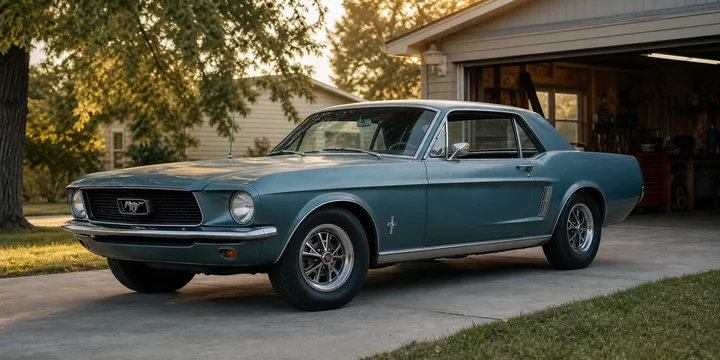
1967 Mustang coupe in driver condition outside a home workshop

67Mustang.com

1967 Mustang Coupe Guide

Quick answer

Quick answer: why a 1967 Mustang coupe can be the smart buy

  • A clean coupe often offers the best entry point because it avoids much of the fastback premium.
  • The best coupe is structurally honest and mechanically usable, not simply the cheapest listing.
  • Use the price gap versus a fastback to fund inspection, safety, cooling, wiring, and weather-seal work.

Last reviewed: June 23, 2026. Use this as a starting point, then verify the specific car, part, or claim before spending money.

A clean coupe is often the smarter 1967 buy.

The 1967 Mustang coupe often gives buyers the same basic parts support and ownership feel without the fastback premium. That can leave more room for the work that actually changes ownership: brakes, cooling, wiring, rust repair, weather sealing, and documentation.

That does not mean every coupe is a bargain. Rust, bad repairs, missing paperwork, tired wiring, weak brakes, and poor cooling can still turn an affordable car into an expensive lesson.

Coupe buyer priorities

Coupe decision table

Situation What it usually means Buyer move
Solid driver with honest cosmetic flaws Often the best real-world buy. Prioritize safety and reliability upgrades.
Cheap coupe needing floors, wiring, brakes, and cooling The entry price may be misleading. Add repair costs before negotiating.
V8 swap or modified car Can be fun, but originality and workmanship matter. Inspect mounts, cooling, wiring, brakes, and documentation.

Best fit

A coupe fits the buyer who wants the 1967 Mustang experience without chasing the most expensive body style. It works best when the shell is solid, the paperwork is clean, and the buyer cares more about driving than bragging rights.

Where coupe savings disappear

The entry price can be friendlier, but the repair stack still matters. Floors, cowl leaks, quarter repairs, cooling problems, brake work, steering play, and tired wiring can wipe out the body-style savings in a hurry. The best coupe buy is usually not the cheapest listing. It is the one with the fewest expensive surprises waiting in line.

For a driver build, focus first on making the car stop, cool, charge, steer, and seal correctly. Cosmetic upgrades are easier to appreciate once the ownership experience settles down. A coupe that starts reliably, runs at a stable temperature, tracks straight, and stays dry inside will beat a prettier car that constantly needs something.

Good coupe upgrade path

About this site / how we recommend

How recommendations are handled here.

Editorial stance

Guides are written for careful buyers and owners who want practical risk checks before style, story, or hype.

How resources are chosen

Fitment clarity, project phase, documentation, support, and enthusiast usefulness come before commissions or brand familiarity.

Affiliate disclosure

Approved outbound vendor/resource links may be affiliate links. Candidate vendor links remain non-monetized until approved affiliate programs are documented. Recommendations should still be useful without a purchase.

Corrections welcome

Specs, values, and vendor details change. Send the page URL and a source so the guidance can be corrected.

Coupe value path

A clean coupe can beat a rougher car with a better story.

The coupe page helps buyers compare structure, paperwork, parts support, and driver-quality decisions without fastback hype.

Coupe Specs: 108" wheelbase, 184.3" length, 2,759 lbs, 13.2 cu ft trunk

Why a coupe can be the better buy

  • Less body-style hype can leave more budget for brakes, cooling, wiring, and rust repair
  • Still inspect cowl, floors, quarters, rear window areas, and door bottoms
  • A solid driver-quality coupe usually beats a cheaper car with several systems failing at once

High-intent checklist

Compare body styles with the checklist

Keep the checklist nearby before you pay a body-style premium or miss structure, documentation, and restoration risk.

No popup. No spam pitch. Use this when the car or project is real. By submitting, you agree to be contacted about this checklist or tool path and related classic Mustang guidance.

Editorial review

How we check this page

These pages are reviewed to stay useful, specific, skeptical, and buyer-protective. If something is not documented, the site should not present it as firsthand fact, and it should not read like sales copy.

Checked by

67Mustang.com

Last checked

June 23, 2026

Review focus

This page is reviewed for practical 1967 Mustang usefulness: rust risk, documentation, fitment clarity, value context, and whether the advice still helps without a purchase.

Source and verification notes

  • Factory-style specifications, VIN/body-code context, and shop-manual style service references.
  • Recent collector-car listings, sold-result context, and condition-adjusted market checks.
  • Vendor fitment catalogs, owner/community notes, and reader corrections when they improve a recommendation.

Send corrections or better sources through the contact/corrections page.

Next step

Choose the right body-style path

Body style changes proof burden, budget, structure risk, and market pressure.

Top