Quick answer
Quick answer: what makes a 1967 Mustang convertible risky
- Convertible value depends on rockers, torque boxes, cowl condition, door gaps, top-frame fit, and weather sealing.
- Fresh paint or a clean top does not compensate for weak structure.
- Only pay the open-top premium when underside and water-management evidence are clear.
Last reviewed: June 23, 2026. Use this as a starting point, then verify the specific car, part, or claim before spending money.
A convertible is rewarding only when the structure is strong.
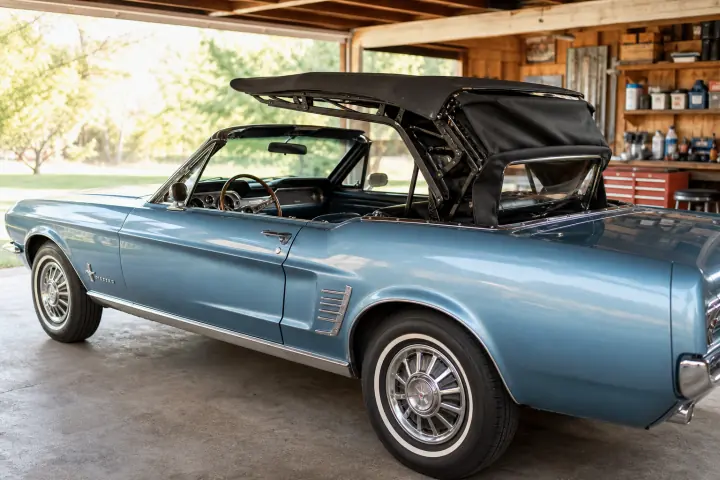
The 1967 Mustang convertible has a different risk profile from the coupe and fastback. Without a fixed roof, the structure has to do more work. Weak rockers, poor floor repairs, tired torque boxes, and water damage can turn a pretty convertible into the most expensive car in the group.
Buy the shell first. The top-down fantasy can wait.
Convertible buyer priorities
- Rockers and torque boxes: these are not casual cosmetic checks. Weak structure changes the whole car.
- Floor pans and cowl leaks: water intrusion is common and can hide under carpet and trim.
- Top system: inspect frame alignment, hydraulic operation, seals, rear window, and weatherstripping.
- Door fit: sagging, odd gaps, or doors that change alignment when the car is lifted can indicate structural trouble.
Convertible decision table
| Situation | What it usually means | Buyer move |
|---|---|---|
| Solid rockers, clean floors, working top | The car may justify convertible pricing. | Verify closely and budget for seals and maintenance. |
| Nice paint but questionable door gaps | Possible structural weakness or poor repairs. | Inspect on a lift before negotiating. |
| Non-working top plus water damage | Multiple systems may need attention. | Price as a project, not a ready cruiser. |
Best fit
A convertible fits the owner who wants a cruiser and is willing to inspect structure carefully. It is not the place to gamble on vague seller claims, hidden rust, or “easy top repair” promises.
What makes a convertible worth more
The best convertible candidates have solid structure, clean drainage areas, a top system that actually works, and documentation showing the car has not been repeatedly patched around leaks. Paint and interior still matter, but they come after the shell. A pretty convertible with weak rockers can get expensive faster than a rougher car with honest bones.
Budget for weatherstripping, top adjustments, window alignment, and routine water-management fixes even on a nice example. That is part of convertible ownership. The warning sign is a seller who brushes those items aside while the car shows stains, musty smell, soft floors, or doors that do not close the same way twice.
How to compare it to a coupe or fastback
Compared with a coupe, the convertible usually costs more to buy and restore, and the top system adds another inspection path. Compared with a fastback, it may not carry the same roofline premium, but a well-documented convertible can still attract strong interest. The right purchase is the car whose condition supports the price, not the body style that sounds best in the listing headline.
About this site / how we recommend
How recommendations are handled here.
Guides are written for careful buyers and owners who want practical risk checks before style, story, or hype.
Fitment clarity, project phase, documentation, support, and enthusiast usefulness come before commissions or brand familiarity.
Approved outbound vendor/resource links may be affiliate links. Candidate vendor links remain non-monetized until approved affiliate programs are documented. Recommendations should still be useful without a purchase.
Specs, values, and vendor details change. Send the page URL and a source so the guidance can be corrected.
Convertible structure check
A convertible only works when the shell is right.
A convertible needs extra attention to rockers, torque boxes, cowl leaks, top fit, and weather sealing before price makes sense.
Convertible Specs: 108" wheelbase, 184.3" length, 2,934 lbs, manual/power soft top
Structure decides the deal
- Check rockers, torque boxes, floors, cowl leaks, and door gaps before reacting to the top-down photos
- Top frame, hydraulics, seals, and window fit can turn into real money
- Only pay convertible money when the shell supports it
High-intent checklist
Compare body styles with the checklist
Keep the checklist nearby before you pay a body-style premium or miss structure, documentation, and restoration risk.
Editorial review
How we check this page
These pages are reviewed to stay useful, specific, skeptical, and buyer-protective. If something is not documented, the site should not present it as firsthand fact, and it should not read like sales copy.
67Mustang.com
June 23, 2026
This page is reviewed for practical 1967 Mustang usefulness: rust risk, documentation, fitment clarity, value context, and whether the advice still helps without a purchase.
Source and verification notes
- Factory-style specifications, VIN/body-code context, and shop-manual style service references.
- Recent collector-car listings, sold-result context, and condition-adjusted market checks.
- Vendor fitment catalogs, owner/community notes, and reader corrections when they improve a recommendation.
Send corrections or better sources through the contact/corrections page.


