
1970 buying guide
1970 Mustang overview
Build a shortlist using documents, inspection findings, missing pieces, and the complete cost of necessary work.
Era group
1969-1970 Use this as context, not proof. The page still routes back to inspection and documentation checks.Body styles
Hardtop, Convertible, Sportsroof Style interest should stay secondary to shell condition, paperwork, and project burden.Current portal depth
1967 remains the deepest live cluster These year pages are practical orientation pages that feed into the year-aware tool path.Inspection watchpoints
- rust and structure proof
- equipment and documentation consistency
- driver-quality versus fresh cosmetic claims
Restoration watchpoints
- baseline reliability before finish work
- scope control for trim and body details
- parts-order discipline
Use the next tool
Carry 1970 into the tools and check the details of the actual car.
Year visual context
Three editorial views for 1970
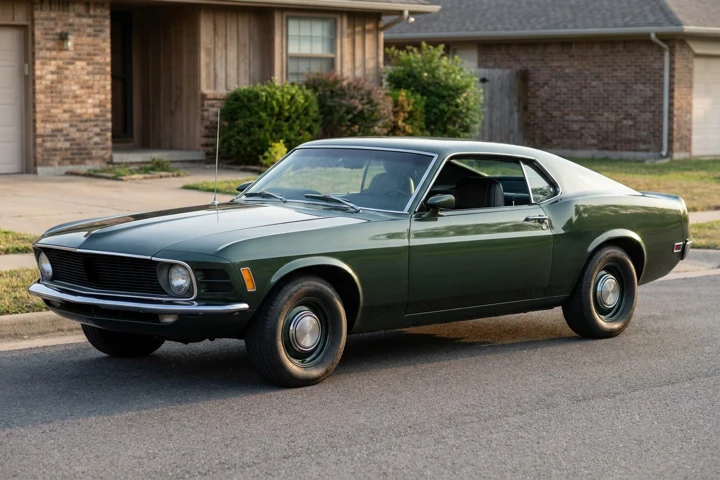
Three quick views for how this year usually shows up in the driveway, on the workbench, and in the market.
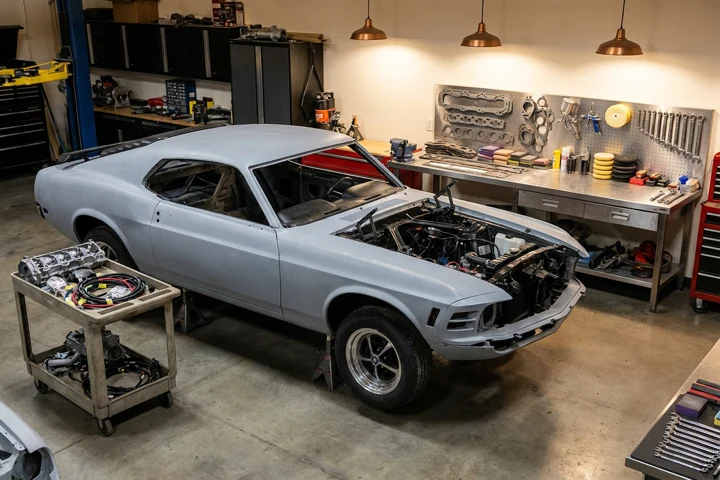

For a 1970 Mustang, shortlist cars you can afford to inspect and own as well as buy. Compare documentation, completed work, missing pieces, and the condition of the actual car.
1970 Mustang: make a useful shortlist
Request clear photographs of the underside and repair areas before travelling. Ask what does not work and whether a specialist may inspect the car. Keep unpriced work visible in the budget.
A question to settle before you commit
Two cars have similar asking prices. One needs known work with a written quote; the other has an unexplained running problem. Keep the second cost open until it is diagnosed.
If you already own the car
Document the starting point and choose one job. Get the necessary assessment, define the scope, and confirm the complete cost before ordering. Use year-specific service information and the actual equipment on your car.
Our most detailed technical references cover 1967. The general checklists can help organize other years, but the codes and parts applications need the correct year's sources.
Sources and review notes
Sources and coverage
Page updated: September 7, 2026
Choose a model year, then use references that cover that year and the actual car.
- These are short starting guides. The site's detailed code references cover 1967; do not apply those codes or parts applications to other years.
- The linked checklists help organize questions. They do not supply model-year-specific repair specifications or an appraisal.
References and related guides
Found an error? Send the page link and a source for the correction.